
In the vibrant, complex tapestry of India, philanthropic effort reaches its highest potential when guided by strategic insight and transparent partnerships. For individuals and institutions seeking to make verifiable, deep-rooted social investments, focusing on core human needs—child protection, dignity through resource management, and nutritional security—yields the most profound returns. Our trusted NGO Partners operate nationwide, including through critical hubs in the Delhi region, deploying proven models that transform contributions into lasting community resilience.
This article serves as a consultative guide, outlining the scope and integrity of these impactful programmes.
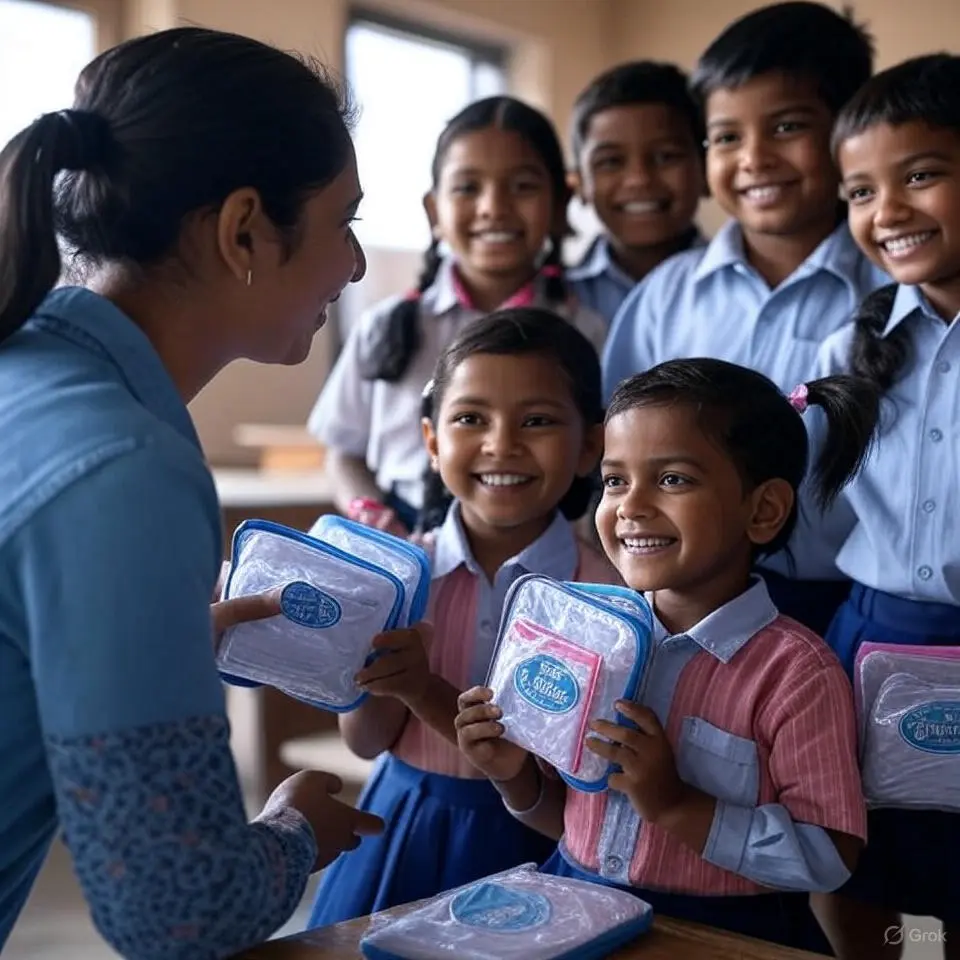
he protection and holistic development of children who are vulnerable—those without parental care, living on the streets, or managing disabilities—remains a societal imperative. In and around Delhi, dedicated welfare organisations ensure these children are given not just shelter, but a complete childhood, fostering their journey toward independence.
A hallmark of trust in this work is the operational model itself: these essential care and residential programmes run entirely on the support of individuals and institutions, maintaining their focus without relying on government funding.
Components of Comprehensive Child Care
The programmes are multi-faceted, addressing immediate safety concerns alongside long-term developmental needs:
• Residential and Full Care: Providing secure environments through specialized programmes such as Palna, Bal Chetna, and PALNA WeeKids, which are structured to cater to under-privileged and disabled children.
• Immediate Crisis Intervention: Maintaining a 24*7 Child Help Desk is essential for responding rapidly to children in distress and facilitating their restoration and eventual rehabilitation.
• Educational Foundation: Ensuring continuity in learning is crucial. Services include educational sponsorship, dedicated homework schemes, and essential vocational training to prepare youth for future careers.
• Health and Emotional Well-being: Support extends to preventive health, robust nutrition, mental health services, and specialized care, such as an Orthopaedic Programme for children with physical challenges.
• Therapeutic Engagement: Utilizing platforms like performing arts to help children process trauma, express themselves creatively, and build confidence.
Financial Transparency: A Promise of Efficiency
Consultative donors must be assured that their funds translate directly into action. The operational costs of these welfare centres are tightly managed and strictly audited. For our partners focused on child welfare, this efficiency is quantified: more than 75% of every contribution is directed into the actual implementation of programmes and projects, ensuring administration overheads are kept to an absolute minimum. Furthermore, donors are always welcome to visit the programmes to see this dedication in action.
A dynamic shift in charitable thinking focuses on leveraging the vast amount of surplus material—especially in urban centres like Delhi—to solve fundamental problems while simultaneously affirming the dignity and self-worth of the recipients.
One of our trusted NGO Partners operates on the revolutionary principle of Humanity and Circularity, mobilizing common people as equal stakeholders to solve their community’s challenges. This involves adopting the 4 Rs: Reduce, Reuse, Recycle, and Recover, turning unused household items and textiles into capital for community development and resilience building.
Programmatic Outreach
This approach utilizes repurposed material to address a wide range of needs, fostering both environmental sustainability and social upliftment:
A dynamic shift in charitable thinking focuses on leveraging the vast amount of surplus material—especially in urban centres like Delhi—to solve fundamental problems while simultaneously affirming the dignity and self-worth of the recipients.
One of our trusted NGO Partners operates on the revolutionary principle of Humanity and Circularity, mobilizing common people as equal stakeholders to solve their community’s challenges. This involves adopting the 4 Rs: Reduce, Reuse, Recycle, and Recover, turning unused household items and textiles into capital for community development and resilience building.
Programmatic Outreach
This approach utilizes repurposed material to address a wide range of needs, fostering both environmental sustainability and social upliftment:
The connection between adequate nutrition and successful education cannot be overstated. Classroom hunger acts as a potent barrier to learning, prompting our NGO Partner focused on sustenance to deploy robust nutrition programmes designed to eliminate this hurdle.
Operational Excellence in Meal Delivery
This Partner manages the large-scale logistical challenge of feeding millions of children by emphasizing quality and efficiency
fund women’s education programs
| Metric | Scale of Impact |
|---|---|
| Material Handled | Millions of Kilograms |
| Lives Touched | Millions (Approx.) |
| Person-days of Work Created | Millions (Approx.) |
| Community Development Projects | Over 1000 |
You can sponsor a cause NGO Delhi on birthdays, anniversaries, or in memory of loved ones. Here are some ways to give:
We also partner with corporates for CSR activities. From employee volunteering to branding opportunities, we make CSR simple and meaningful. You can read more about CSR laws and eligibility at IndiaFilings.
nonprofit donation Delhi
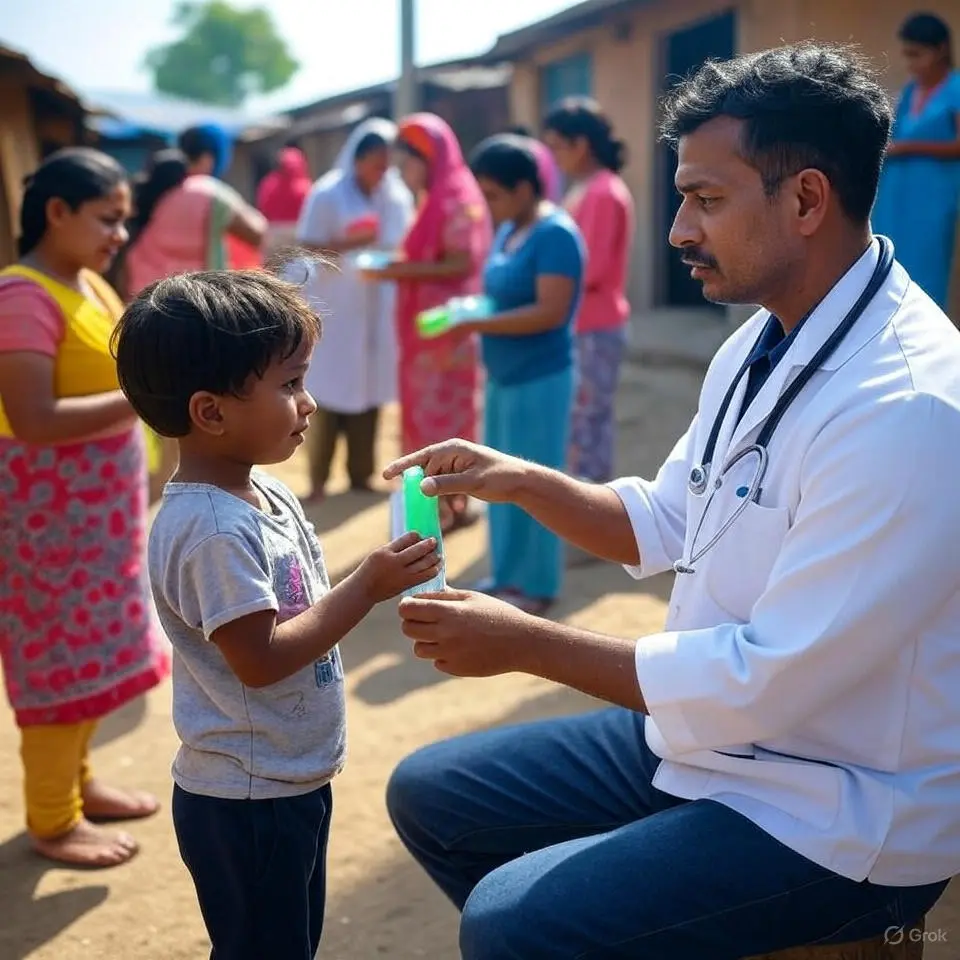
Youth Helping Trust invites students, corporates, and individuals to join our volunteering programs. Whether you’re from Delhi or anywhere in India, your time can bring joy and support to someone in need.
We organize:
Engagement with our trusted NGO Partners offers diverse and highly accountable avenues for giving, ensuring that individuals, families, and institutions can contribute effectively. Financial Contributions and Accountability Monetary support is the lifeblood of these operations, and integrity in handling these funds is non-negotiable
• Tax Benefits: All Indian donations to our partners qualify for tax exemption under Section 80G of the Indian Income Tax Act. Specific arrangements also exist for US and UK donors to access relevant tax benefits.
• Giving Methods: Donations can be made through multiple convenient channels, including online platforms, bank transfers, or cheques/demand drafts.
• Foreign Donor Protocols: For those making foreign currency transfers via wire, it is essential that the currency is specified as other than Indian Rupees (INR). Detailed account information, including SWIFT codes and correspondent routing banks across numerous countries (including Australia, Canada, Denmark, France, Germany, Kuwait, Oman, Qatar, Russia, Saudi Arabia, Singapore, South Africa, Switzerland, UAE, UK, and USA), is provided to facilitate seamless transactions.
• Mandatory Disclosure: To uphold a policy against anonymous donations and maintain full accountability, donors must provide mandatory personal and transaction details, including name, contact number, donation amount, email, and complete postal address. Active Engagement: Material, Skill, and Time Beyond financial support, active participation is encouraged, turning surplus resources and human capital into tools for social change:
1. Material Mobilization: Donating in kind is highly welcomed. Focused drives target specific materials that can be repurposed:
◦ Textile Drives: Campaigns like the “100 Sarees of Change” mobilize textile surplus for conversion into essential utility items.
◦ Themed Collections: Focused drives target specific needs, such as collecting pre-loved school supplies (Khushiyon Ka Recycle) or contributing cotton cloth for conversion into biodegradable sanitary pads.
2. Volunteerism and Awareness: Individuals can engage directly by volunteering at processing units to gain hands-on experience in material sorting and segregation. Other initiatives include:
◦ Organizing local Walkathons to spread awareness.
◦ Hosting a ‘Knowing Goonj session’ to educate residents about the mission before collection drives.
◦ Creating awareness through simple acts, like making a Gullak (piggy bank) from discarded materials to encourage habitual savings for the cause.
◦ Using personal skills, such as singing, painting, or baking, to raise funds through a small event (TALENT FOR A CAUSE!).
3. Cultivating Future Leaders (Internships): Comprehensive internship programmes are offered to high school students (Grades 9 to 12) and college graduates. These are immersive experiences designed to build leadership qualities and provide a practical understanding of grassroots social work. Interns are tasked with organizing awareness campaigns, spearheading resource drives, and participating actively in the mission to bridge the urban-rural divide. By choosing a consultative path to donation, supporters ensure that their resources are woven directly into the fabric of social upliftment, fostering dignity, promoting self-reliance, and securing the fundamental well-being of the most deserving communities..
WhatsApp us

